


I wrote in Part 1 that the power of storytelling is an ancient and universal force that transcends cultures and spans generations, and “is the way knowledge and understanding have been passed down for millennia” notes the famous author & speaker Simon Sinek.
It’s a fundamental aspect of human communication, weaving narratives that connect individuals and communities worldwide. We can trace the origins of storytelling back thousands of years to some of the earliest forms of human communication, from prehistoric cave paintings to oral traditions.

And over time they evolved through written literature, theater, and eventually film. Today, in the digital age, storytelling thrives in many diverse forms and continues to connect people all around the world.
And there’s no greater medium than movies to tell the most compelling visual stories.
Pixar quickly rose to prominence as extraordinary storytellers, earning an impressive array of accolades with 18 Academy Awards, 10 Golden Globes, and 11 Grammys. Their cinematic brilliance goes beyond these awards, defined by the ability to craft narratives that resonate universally.
At the heart of Pixar’s storytelling power lies an unparalleled ability to tap into universal emotions, weaving tales that resonate on a profound level.

Their success can also be attributed to their commitment to storytelling excellence. Each film is not merely a showcase of their animation skills, but a carefully crafted narrative that explores the depths of human experience. Whether it’s the exploration of friendship in “Toy Story,” the celebration of family in “Finding Nemo,” or the examination of emotions in “Inside Out,” Pixar excels at exploring themes that touch the core of our humanity.
As designers, your digital experiences need to not only survive – but thrive – amongst the billions of apps & websites competing for your customers’ attention. To do this, it’s critically important to carefully design and build an experience that captures the heart & soul of your customers. Storytelling is the most effective form of communication that acknowledges both the speaker and the listener, and fosters deeper connections by tapping into your customers’ emotions, ambitions, and values.
So here’s the four steps you can take to implement storytelling in your product design…
Step 1: Know Your Customers
To create a compelling narrative around your product, I highly recommend that you conduct user research by immersing yourself in your customers’ world to understand their motivations, needs, problems, and the context in which they will interact with the product.

It’s crucial to understand the journey your users will take when interacting with it. Consider their needs, emotions, and pain points at each stage of the journey. This understanding will help you identify opportunities to infuse storytelling elements into the design.
Step 2: Craft your Product Story
Every product has a unique story to tell, whether it’s the story of its creation, its intended purpose, or the problem it solves. Using your deep insights about your customers, develop a vision using Pixar’s 6 rules of storytelling that highlights your customer and product as the courageous heroes on an epic journey.
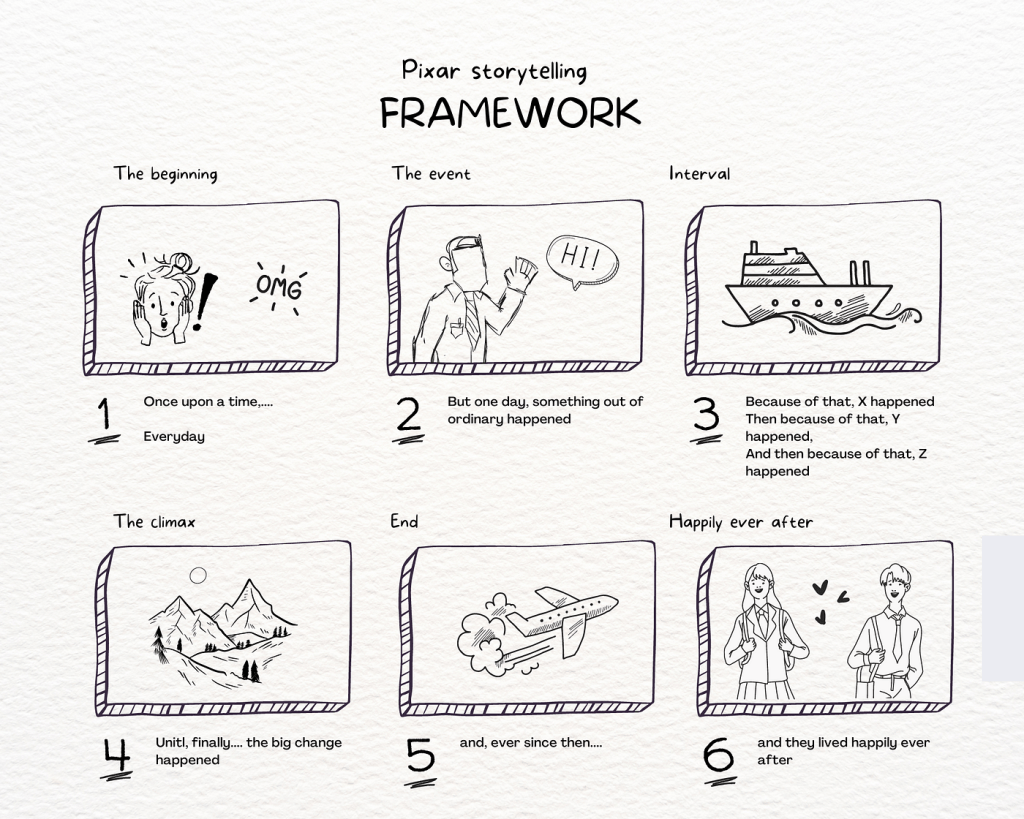
Ensure it aligns with the brand identity and values.
And much like design principles, this story will be the key to making the best design decisions.
Step 3: Design for Emotion along the User Journey
Designing for emotion along the user journey is essential for effective storytelling within product design. Consider mapping the sequence of actions your users will take on a journey map, and include the emotions you aim to evoke at each stage, and how symbolic elements and metaphors can reinforce the product’s story within the features/functionality.

The goal is to let the narrative unfold naturally as users interact with the product, guiding them through a coherent and engaging journey from start to finish.
One of my favorite ways to ensure that your product elicits positive emotions like joy, nostalgia, or curiosity is by incorporating sensory elements such as familiar patterns/imagery, texture, sound, and scent.
This approach will create a meaningful and memorable storytelling experience for your customers, enhancing their love for your product.
Step 4: Iterate and Refine
Once you’ve deployed your product and it’s story, I recommend that you continuously iterate on the design based on user feedback and testing to ensure that the storytelling elements are effectively communicated and resonate with the target audience.

Measure the impact of storytelling on user engagement, brand perception, and sales, and make adjustments as needed to enhance the effectiveness of the narrative.
Conclusion
Pixar doesn’t win hearts by moving pixels around the screen, they win with stories that feel like home. In a sea of apps, your product’s narrative is the lighthouse that turns users into loyalists.
Follow these four steps: know your customer, craft their hero’s journey, design every touchpoint to feel, and refine relentlessly.
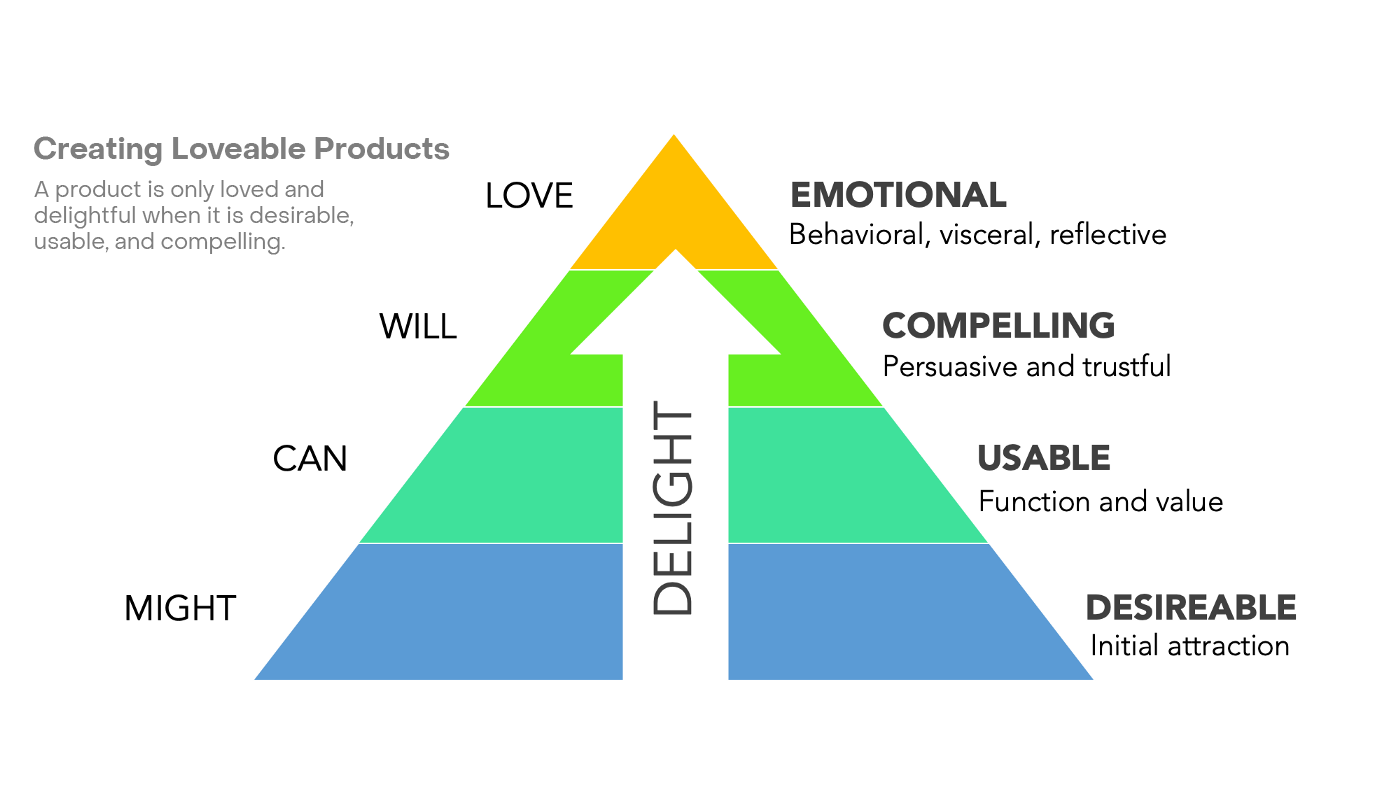
When your design tells a story that matters, users don’t just click, they feel. They engage. And they love.
That’s when you know you’ve crafted a powerful story that ties in with a beautifully designed product.