

I spent 5 years as Design Director at Blizzard Entertainment, where I was amazed to be a part of a culture that was built on artistry and creativity.
We were known around the world for our extraordinary polish and our craft.
Not only in our games, but also in our websites, game launcher, marketing, and well pretty much everywhere.
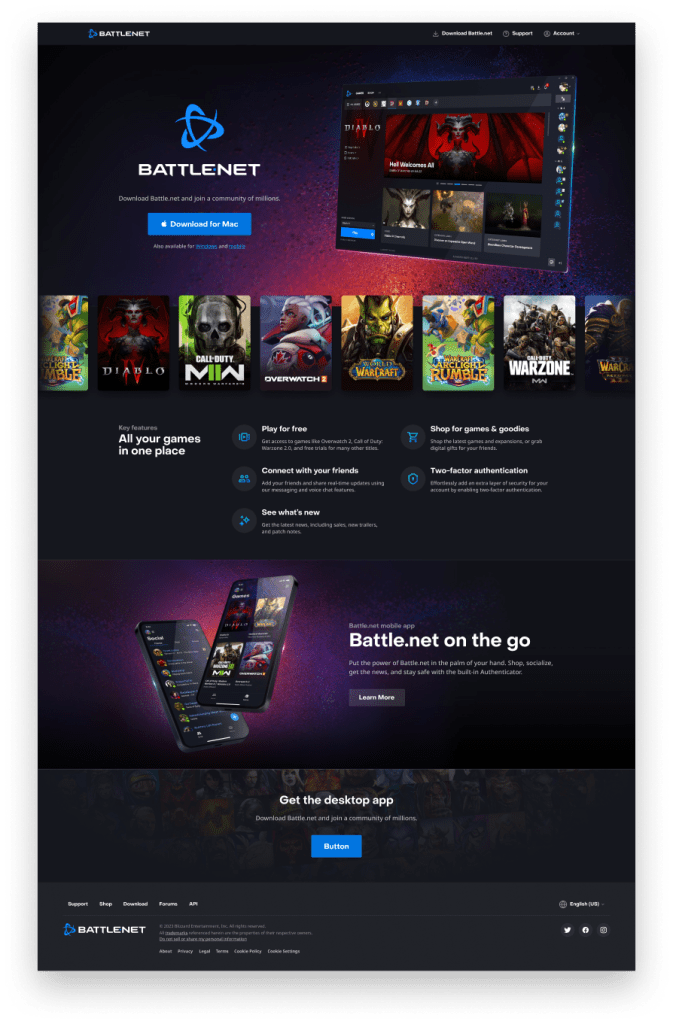
This level of design detail speaks to one of my core design philosophies in that “Beauty is found at the intersection of form and function.” Here you’ll find exquisite craft and flawless function colliding in perfect harmony, forging beauty that’s as intuitive as it is unforgettable.
This beautiful harmony is what separates Ferraris from Fords. Macs from PCs. Rolex from Timex.
Think of the little bounce when you refresh a feed, the way a loading state anticipates your next move, or how a form error doesn’t scold you, it guides you. You can’t put it into words, but it just feels right.
That’s craft. And it goes beyond aesthetics.
It’s pixel precision, motion with intent, accessibility by default, system coherence, and emotional resonance. The subtle details that turn utility into delight. In a world of AI-generated prototypes and rapid MVPs, craft is the last true differentiator.
And it can only be built, not bought.
I’ll walk you through the five steps that I guarantee will improve your design craft…
Step 1: Audit Your Design Craft
I highly recommend starting with a good old fashioned audit of your product design work.
Most teams skip this step because it feels like criticism. But trust me, you’ll pay for it later in rework, user frustration, and brand erosion.
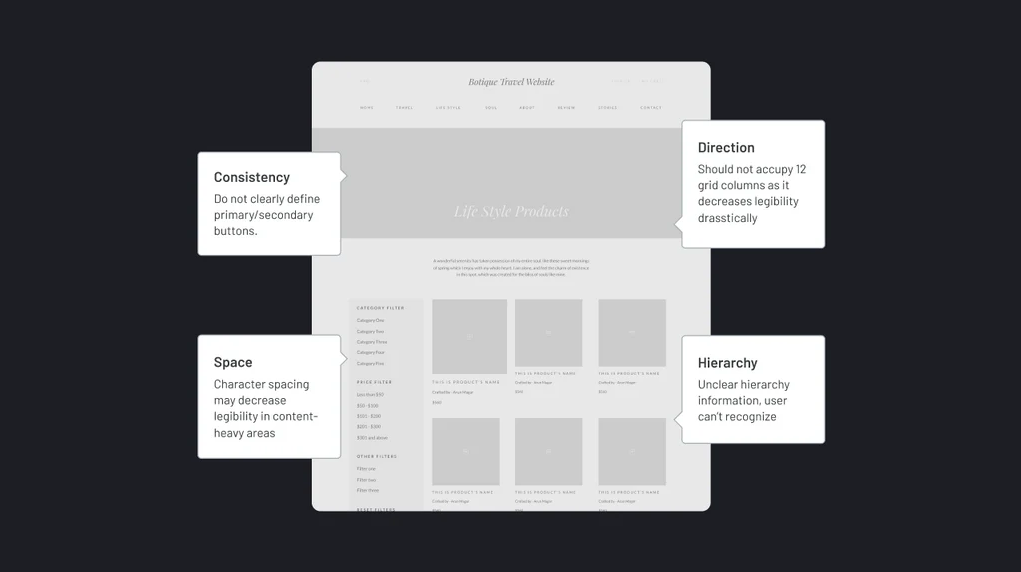
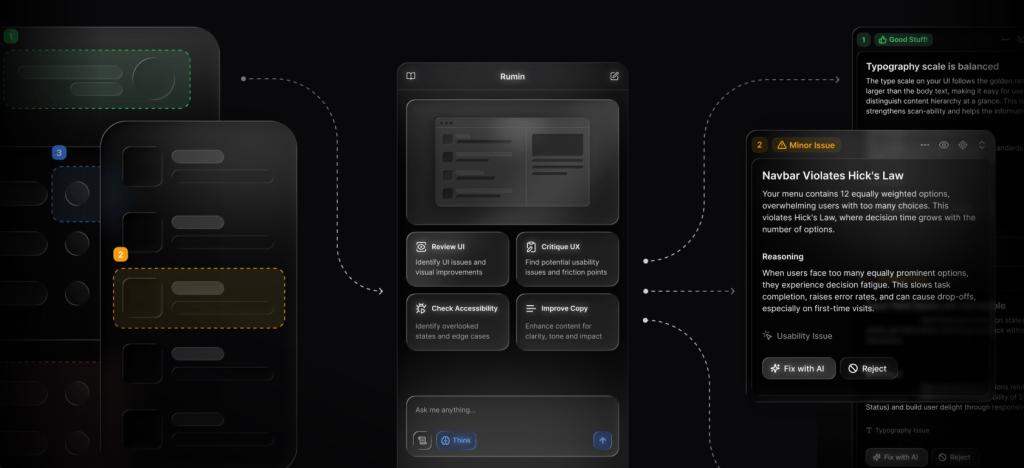
It’s best to set aside egos and approach this with a no-blame, data-driven audit:
- Production vs. Design Parity Check – Export live builds and overlay Figma files. Measure pixel drift.
- Accessibility Scan + Manual Review – Run axe/WAVE, then test with screen readers and keyboard navigation.
- Heuristic Evaluation – Score against a 10-point craft rubric (consistency, clarity, efficiency, etc.).
- Anonymous Team Pulse Survey – Sending out a survey to all designers that includes a few questions:
- On a scale of 1–10, how proud are you of what we shipped last quarter?
- Open ended question: how can we improve our craft?
Tools: Figma Inspect, Chromatic, axe, Lighthouse, Miro.
Output: A Craft Report that includes key findings, heatmaps, annotated screenshots, and a prioritized backlog. Transparency builds trust and urgency.
Step 2: Create High Standards for Design Craft
It’s impossible to improve your design craft if you don’t set standards for how you’re going measure your craft.
Most established design teams will already have their craft documented in style guides and design systems, so it’s great if you already have your standards documented. If not, I highly recommend creating a living Craft Constitution that you can use as a foundation for your style guide and design sytem. It generally consists of:
- Visual Language: Type scale, color system, spacing tokens, iconography rules
- Motion Principles: Timing curves, purposeful animation, loading choreography
- Interaction Patterns: Microcopy tone, error state empathy, empty state utility
- Legacy Rule: “Fix it if you touch it” — any screen you work on ships at current craft standard

At Blizzard, we already had most of our standards documented in our Battle.net style guide and brand guide, so we spent some extra time defining our Craft Constitution that lived as a separate document. We not only aligned it to our existing standards, but we also aligned it to our designers performance criteria to ensure that we tracked it for every designer.
A year later, our production quality jumped 70%, not because we hired better designers, but because we stopped negotiating excellence.
Step 3: Implement Rituals That Raise the Bar
Excellent craft isn’t a one time improvement, it’s a habit that your team builds over time. I recommend that design leaders implement the critical monthly and weekly rituals to ensure that the teams are building these muscles and forming good habits around craft.
Here’s the mandatory meetings I’ve setup for my Design Orgs and teams:
- Weekly Design Team Design Review → 60 min, bring all design work of all fidelities – I highly recommend designers get in the habit of bringing sketches to this meeting vs only showing high fidelity work that will require major rework if there’s a lot of feedback. This is a safe space to review and discuss design work amongst peers.
- Weekly Design Org Design Review → 90 min, bring all design work of all fidelities, mandatory. Ruthless, kind, public.
- Sprint Retro: Wins & Learnings → 30 min, Every designer shows one thing they shipped they’re proud of + one regret.
- Monthly Design Craft Hero → Designers submit their final fidelity work, all designers review all entries and vote on the best designs, and the top voted designs get shoutout at all-hands meeting.
- Guest Critiques → Bring in external masters (budget: ~$3K, ROI: 10x inspiration).
These aren’t nice-to-haves. They’re the operating system for excellence.
Step 4: Use Your Design System to Enforce Good Craft
Your design system isn’t a component library, it’s craft in code.
In the atomic world, three fundamental particles (atoms, molecules, and organisms) make up everything we see. Design systems should work the same way: a strong foundation of essential building blocks, rather than an overwhelming list of rigid components. Those foundational elements create structure and meaning, inviting teams to build within it.
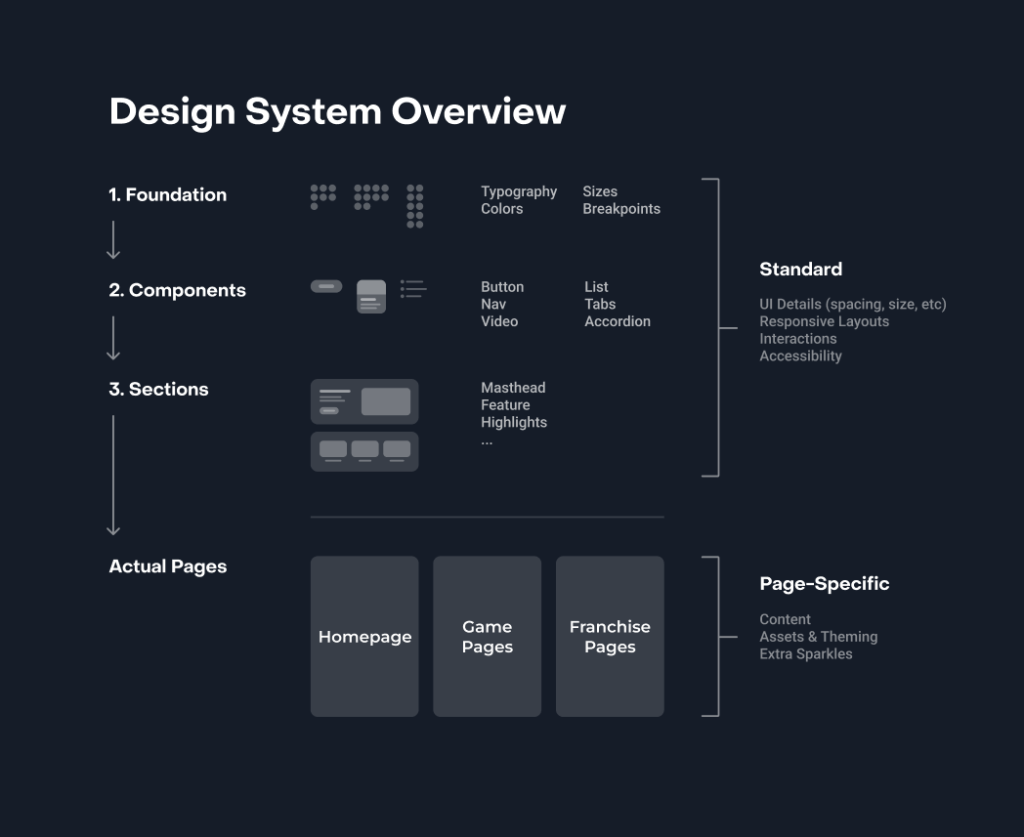
Governance for design systems refers to a framework for defining roles, responsibilities, and decision-making authority, ensuring a streamlined process. I’ve realized that having a transparent governance process was crucial for achieving a successful unified design system and a single source of truth.
Read more about the key things I recommend when designing your governance plan.
Enforcement starts with automation. We use Figma linting plugins to catch deviations the moment they happen. Things like wrong token usage, off-brand colors, or inaccessible contrast ratios get flagged instantly.

On the dev side, Storybook visual regression tests run on every commit, ensuring rendered components match approved designs pixel for pixel.
Nothing ships broken.
The final gate is human but non-negotiable, where you can’t merge without craft sign-off. I suggest a small rotating council of senior designers to review production builds, not mockups. If motion feels sluggish, accessibility falls short, or the experience lacks intent, the PR stays open. It sounds strict, but it’s the single most effective way I’ve found to protect quality at scale, where you turn craft from aspiration into requirement, every single time.
The system doesn’t just save time, it prevents mediocrity of your craft.
Step 5: Protect Your Designers Time
I know we’re all busy trying to make sure AI doesn’t steal our jobs. But if you don’t protect your designers’ time then it will eventually get eaten by tickets, business requests, emails, etc.
- 70/30 Rule:
- 70% of designer time on proactive, high-impact work
- 30% on maintenance that’s tracked weekly
- Craft Debt Backlog:
- Every shortcut = a ticket that you pay back later, think of this as design debt
- Hire more help:
- Hire contractors to work on less important stuff (e.g. SEO, content, accessibility, etc.) so that product designers stay in flow
At Battle.net, this shift cut legacy maintenance by 60% in 6 months.
What Success Looks Like
You can’t outsource culture. You have to lead by example in order to build it, model it, and reinforce it every day. Set clear expectations for craft, ship work frequently, and celebrate excellence so your designers get a win while the organization understands what great craft looks like.

With that in mind, I recommend the following guidelines for how to often to ship, celebrate, and track your craft work:
- Director’s Benchmark: Ship one full-craft flow every quarter, no excuses
- Public Celebration: Call out excellence in Slack, all-hands, and client demos
- Business Proof: Tie craft wins to metrics
When craft moves the needle, no one questions the investment.
Here’s a phased approach to improving craft with a timeline & results that you can use to track your progress:
| Phase | Timeline | Outcome |
|---|---|---|
| Audit + Standards | 1–3 months | Morale spike, visible momentum |
| System + Rituals | 4–8 months | Production quality jumps dramatically |
| Culture Shift | 9–18 months | Designers self-police craft |
Conclusion
Remember the app that “just felt right?” Now imagine your product being the one users can’t stop talking about. Not because it has more features, but because it respects them. Build a culture that helps to elevate your design craft for the entire design org. One pixel at a time.
Your customers will experience it.
The business will love the results.
And your team will follow you anywhere.
One thought on “Elevating Your Product Design Craft”